wire fence
Exceptional durability, visibility, and structural integrity for farm and equine applications.
Bay Valley Construction Services
Wire fencing remains one of the most versatile, cost-effective, and widely used fencing types on farms and ranches.
At Bay Valley Construction Services, we specialize in designing and installing wire fence systems tailored to the livestock, terrain, and management goals of Wilton-area farms. Whether you need long perimeter fencing, predator protection, or internal paddocks for rotational grazing, our wire systems provide a proven balance of strength, economy, and longevity.
Why wire Fence Matters
Pipe fencing provides several critical advantages:
cost efficiency
High-tensile wire can span long distances with fewer posts and lower material cost per foot compared to rail or pipe.
flexibility
Wire systems can be adapted to slopes, curves, and mixed-terrain sites with fewer structural changes.
species-targeted
Options from spaced high-tensile strands for cattle to close-mesh woven wire for goats and sheep.
ease of repair
Damaged runs can be isolated and repaired quickly, and new sections can be added without replacing entire panels.
Common wire fence applications
Adore Nails & Spa offers a full spectrum of services designed for customization, durability, and comfort:
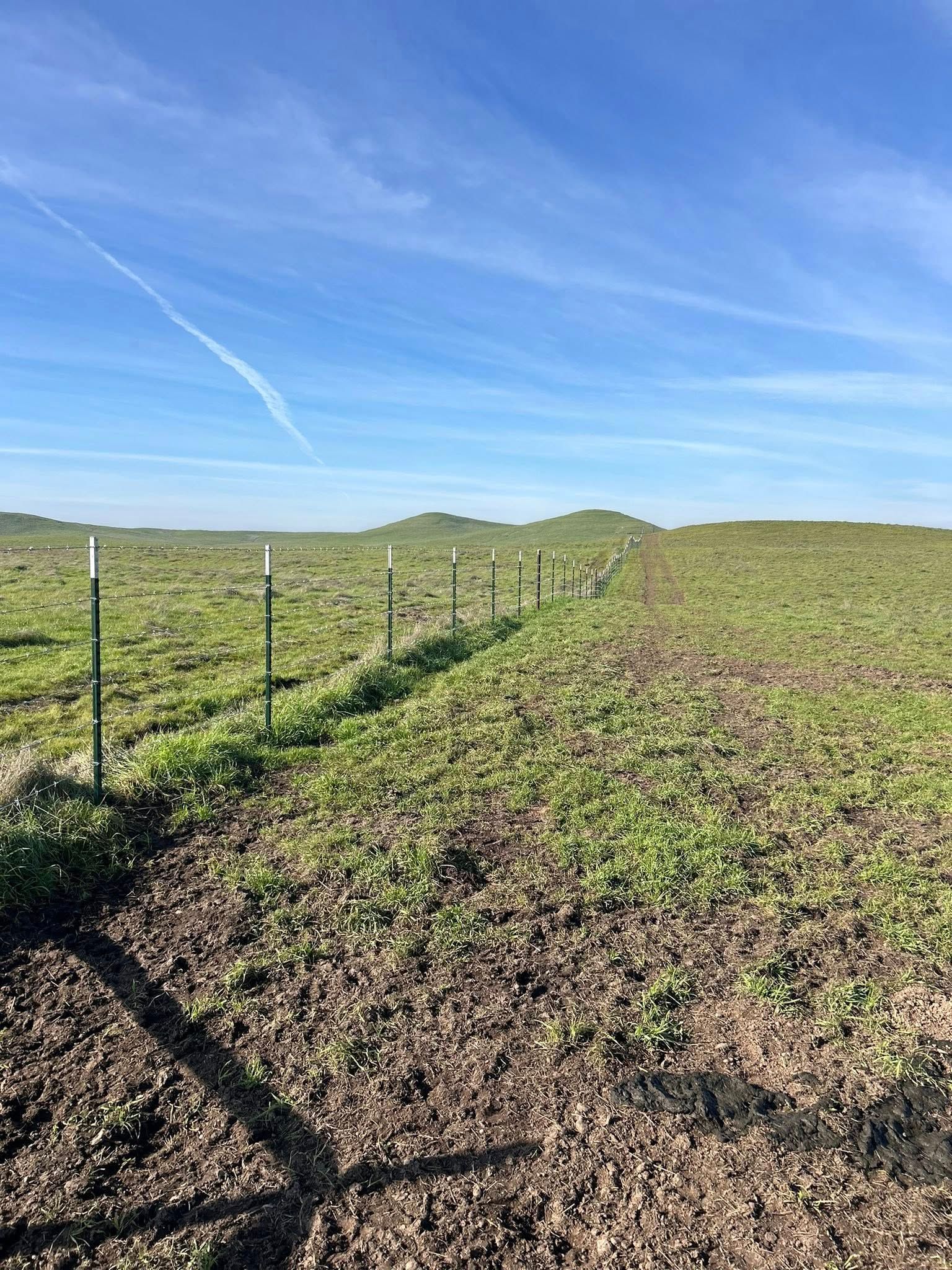
High-tensile (HT) wire:
Galvanized or coated wire designed to resist stretching. Recommended for long pastures and perimeter control for cattle.
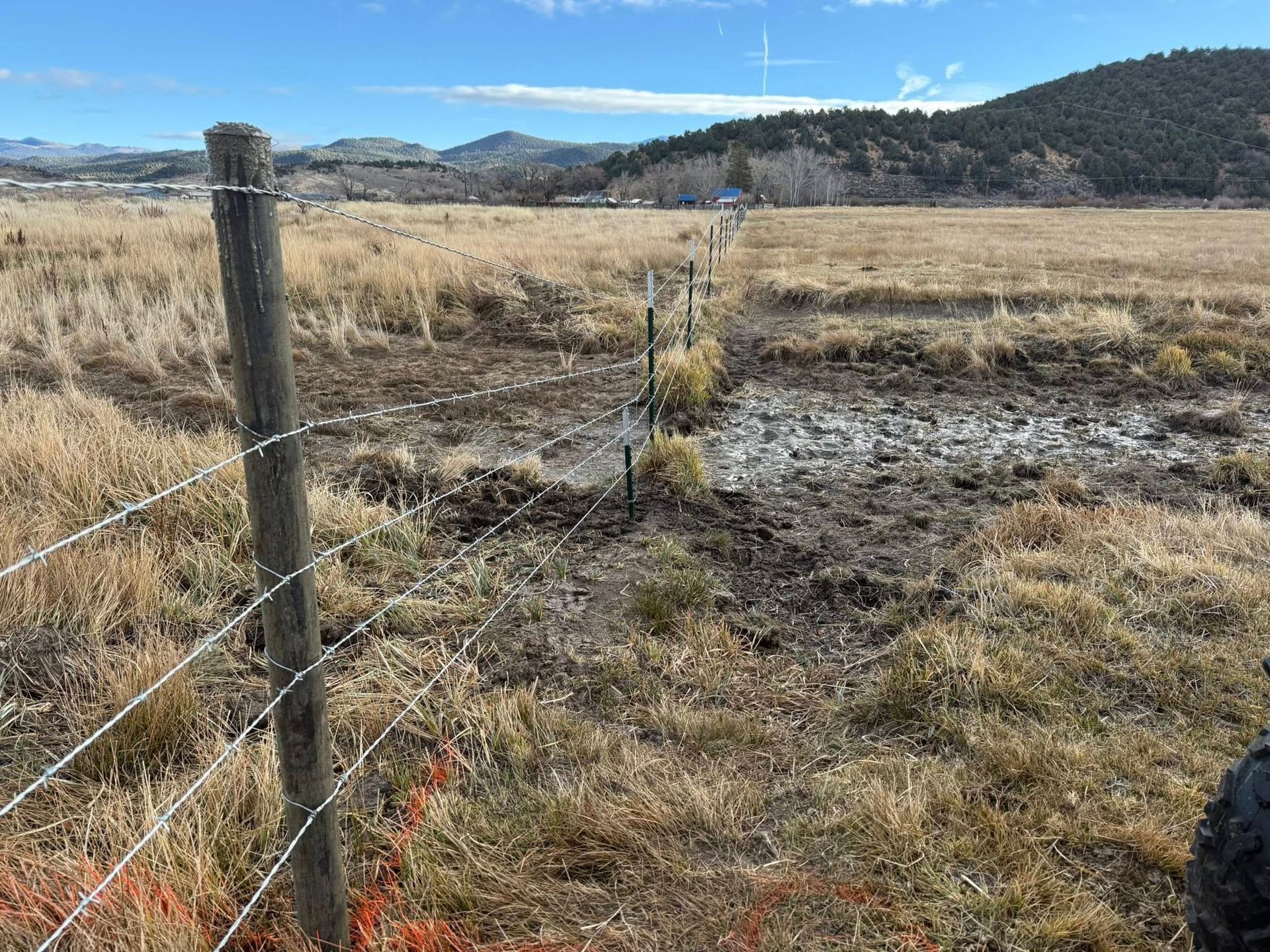
Barbed Wire:
Still widely used for perimeter fencing for cattle, particularly in lower-cost contexts and where wildlife control is needed.
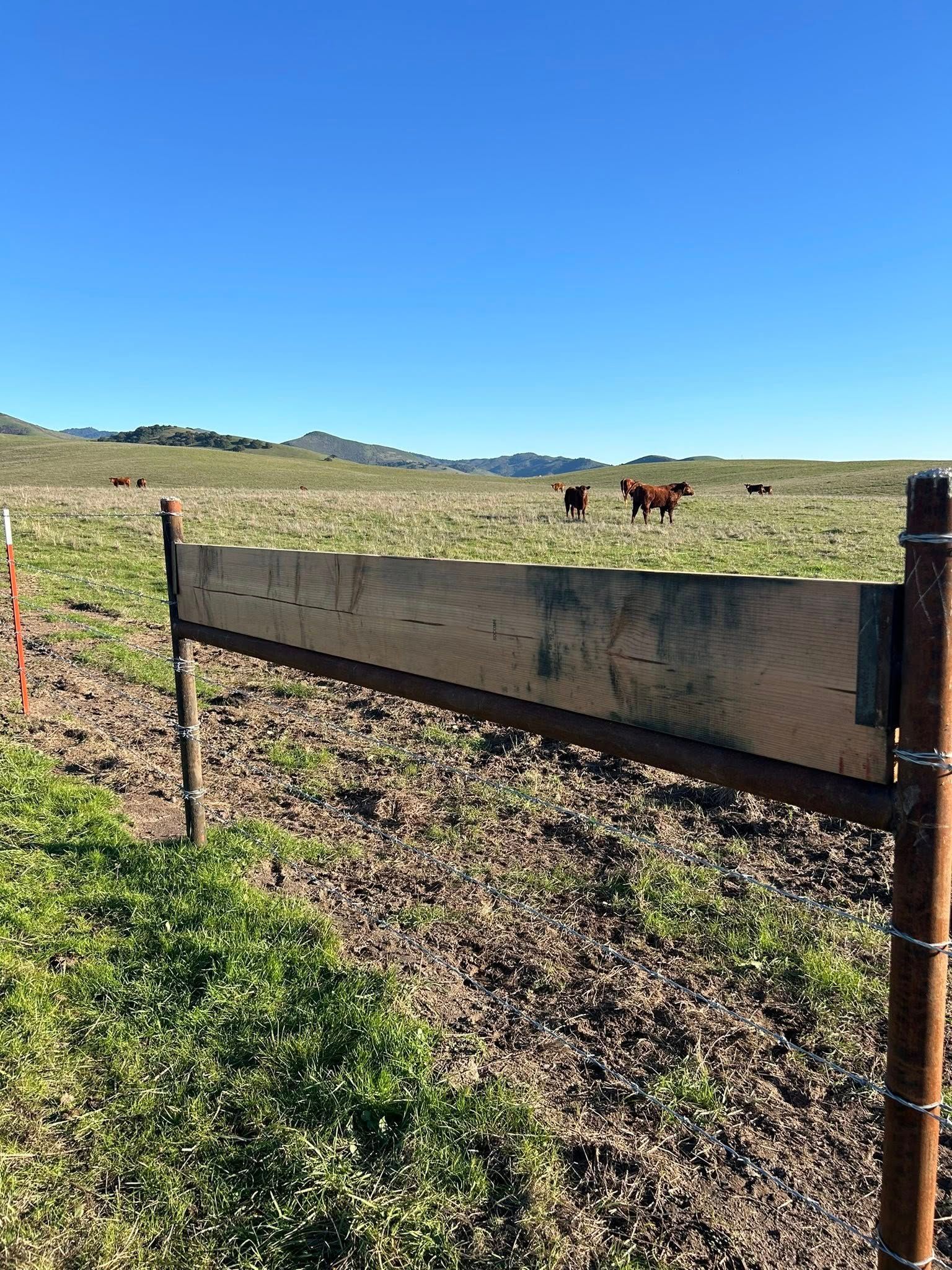
Woven wire (mesh):
Provides a continuous barrier with smaller openings, ideal for sheep, goats, poultry control, and preventing wildlife entry.
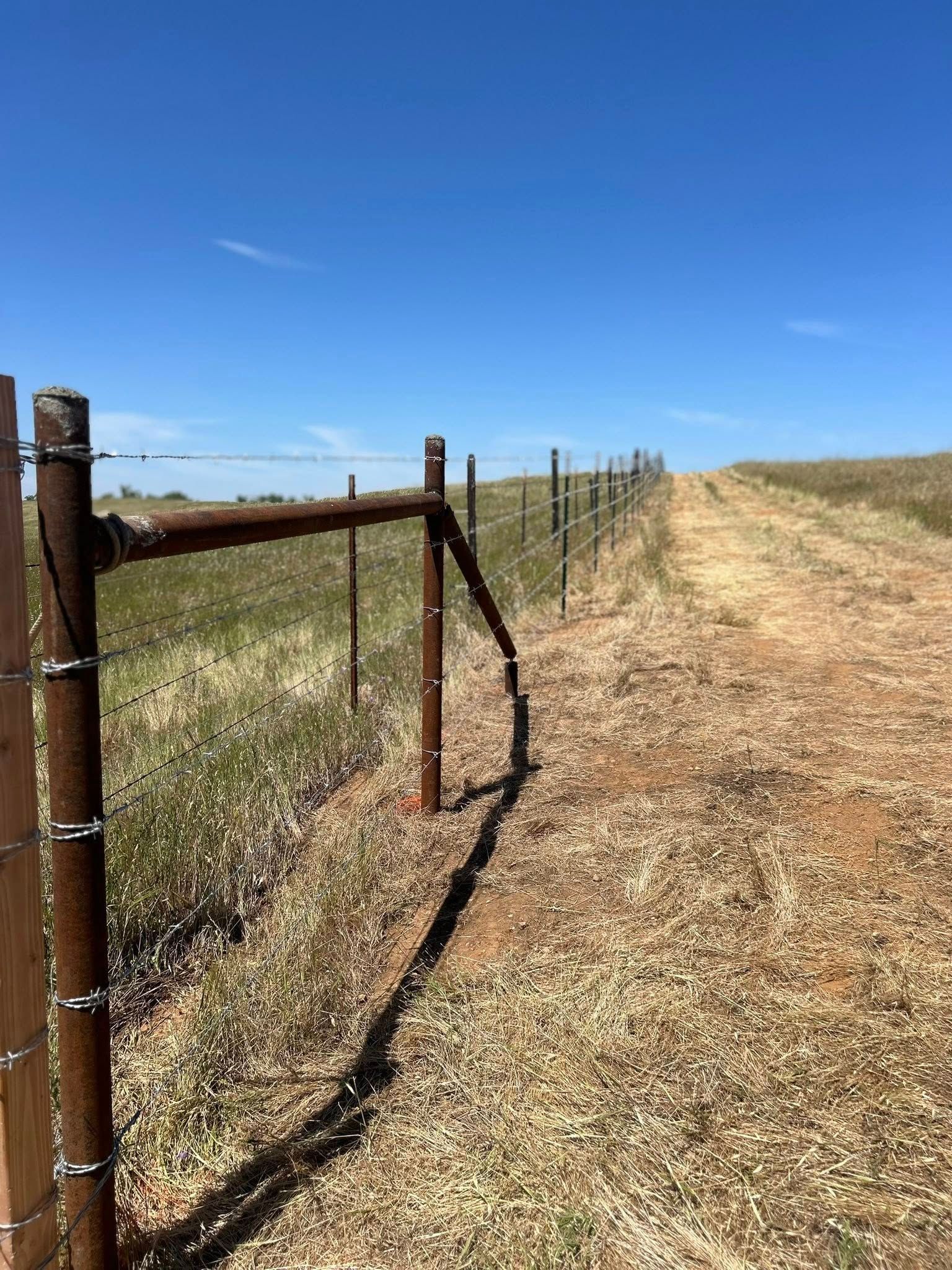
Electric strands & Multi-strand:
Adding electrified top/bottom wires adds a deterrent. We also offer custom configurations to meet varied needs.
Common configurations
Cattle perimeter
3–4 strand high-tensile with or without barbed top strand.
Grazing Paddocks
Galvanized or coated wire designed to resist stretching. Recommended for long pastures and perimeter control for cattle.
Sheep/Goat & Poultry
Woven wire with top high-tensile strand. Small-mesh welded wire with predator skirts for poultry.
Why material choice matters
Material selection determines maintenance, lifespan, and animal safety. Bay Valley Construction Services recommends materials based on soil type, exposure, animal pressure, and intended lifespan.
Galvanized coatings: Resist corrosion for longer life.
High-tensile wire: Requires proper tensioning, crimping, and secure anchor points compared to soft wire.
Woven wire: Requires careful attachment to posts to prevent sagging.
Post embedment options: Set-in concrete for heavy-load areas, or driven pipe where suitable.
Animal safety considerations
Visibility: Add a top rail or flagged visibility strands for equine use.
Entanglement risk: Avoid loose wires, unsupported floats, or low-hanging strands.
Electric integration: Proper grounding and signage protect people and animals.
How we design a system
Site assessment:
We check terrain, grazing patterns, access points, slopes, and drainage.
Species and purpose:
We choose mesh size and wire type based on specific livestock needs (cattle, sheep, goats, etc.).
Post selection:
Treated wooden posts for extra holding power or steel posts (T-posts/C-posts) where appropriate.
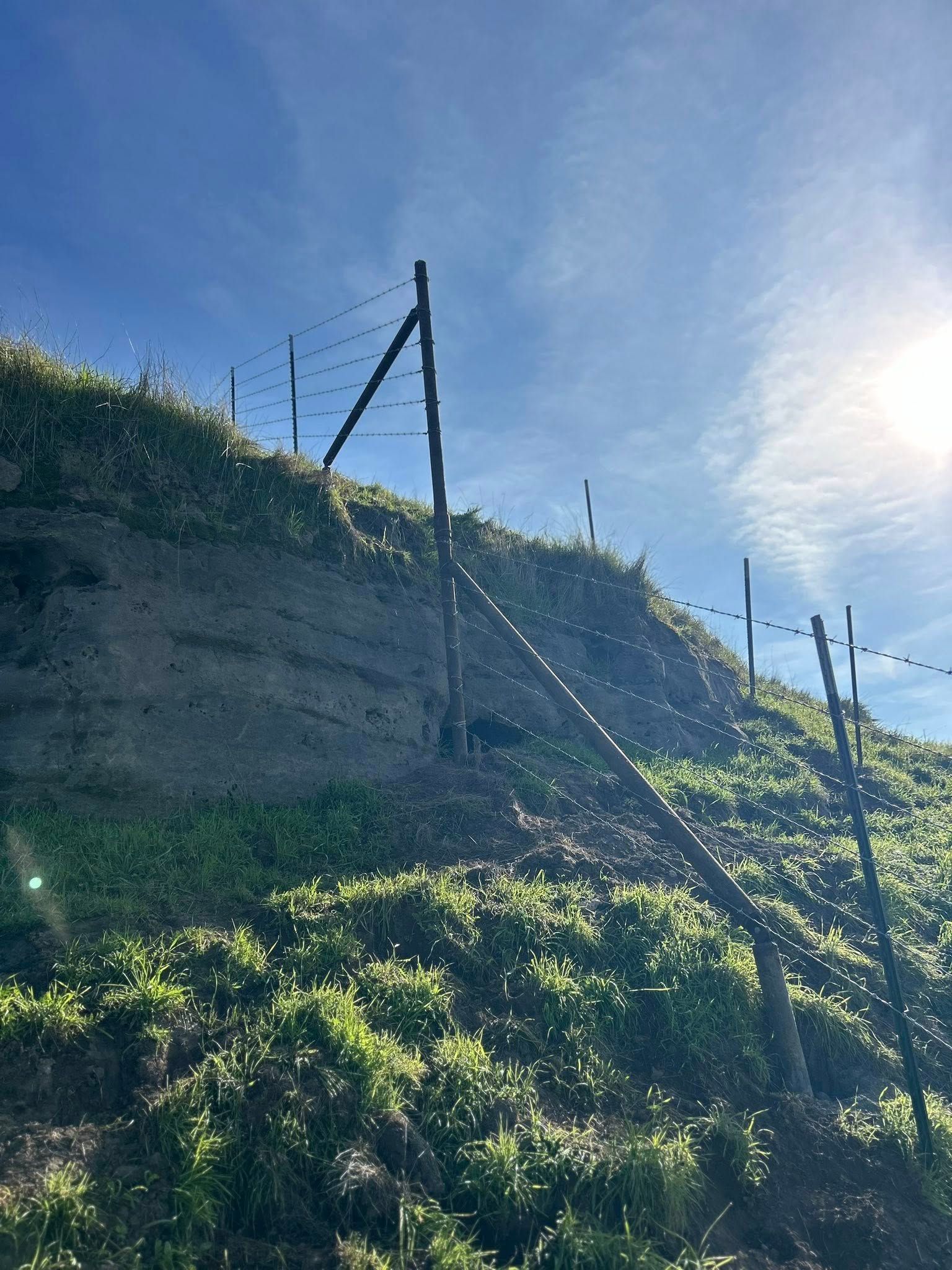
Corner and brace design:
Corners built with heavy timber or steel braces, with adequate anchoring to prevent slippage.
Tensioning and fastening:
Using proper crimping sleeves, line wires, and tensioners to create durable, low-sag lines.
Installation Process
Marking the line: Stakes or chalk markings laid out with attention to property boundaries and obstructions.
Post setting: Holes are augured or driven, with embedment depth adjusted to soil conditions.
Bracing: Corner and gate end assemblies installed before stringing wire.
Wire handling: Wire spools are unrolled and attached using temporary supports; tensioners apply the final tension.
Finishing: Top wires secured, woven mesh fastened to posts and stretched tight, gates installed and checked.
Key benefits of Bay Valley wire fencing
Professional tensioning: Preserves fence integrity and reduces maintenance.
Strong corners: Reinforced with heavy posts to absorb kinetic loads.
Tailored mesh: Specific spacing for different species (sheep vs cattle).
Predator mitigation: Sloped mesh bottoms and electric top wires available.
Cost Considerations
Material costs vary by wire gauge, coating, post type, and terrain. Labor costs reflect fence length, required bracing, and site accessibility. Bay Valley Construction Services provides itemized estimates so you can compare options and understand the long-term cost-savings of higher-grade systems that reduce maintenance.
Maintenance & REPAIR GUIDANCE
Annual inspections: Look for sagging, broken wires, rotten posts, and compromised braces.
Re-tensioning: High-tensile lines occasionally require re-tensioning, especially after extreme weather.
Post repair: Replace rotten or moved posts promptly to prevent progressive failure.
Vegetation management: Regular clearing of brush reduces load on wire and prevents accelerated corrosion.
FREQUENTLY ASKED QUESTIONS
How long will a high-tensile wire fence last?
With galvanized wire and proper installation, expect 20+ years of service in many cases. Environmental conditions like corrosive soils or heavy moisture may reduce lifespan.
Is barbed wire safe for cattle?
Yes, when properly installed at appropriate heights. Barbed wire is less suitable for horses and smaller livestock due to injury risk.
Can you electrify a wire fence?
Yes. Electrified top and bottom strands can deter stock from leaning on fences and offer a cost-effective deterrent, but they must be designed to electrical safety standards.
Do you offer emergency wire fence repairs?
Yes. We provide repairs for storm damage, fallen posts, or livestock containment emergencies. Call (650) 281-9431 for urgent service.
Contact
To plan a wire fence tailored to your livestock and landscape, call Bay Valley Construction Services at (650) 281-9431 to schedule a site assessment and receive a free, itemized estimate.
Bay Valley Construction Services, 13386 Apple Road, Wilton, CA 95693